
 Business License

Sourcing Steel Sleeve Lock Nuts: Drawings, Threads and Samples
A steel sleeve lock nut is a small part on a large machine, and it causes a disproportionate share of downtime when it arrives with the wrong thread.
At a mill reline the replacement nuts for the liner bolts were ordered from a drawing that carried no pitch and no tolerance class, and half the batch would not start on the studs.
The parts had to be remade, and the plant lost two weeks over a component that costs less than the freight on it.
This article sets out how to source a steel sleeve lock nut properly: what a drawing has to carry, how a thread specification for lock nut is written, and why a sample comes before a crusher lock nut order is placed.
1. Sourcing a Lock Nut from the Right Lock Nut Supplier
Sourcing a lock nut is a specification exercise before it is a price exercise, and a lock nut supplier can quote no more than the drawing describes.
A steel sleeve lock nut has three features that all have to be defined: the thread, the sleeve geometry, and the material and its treatment.
If any one of those is left to the supplier to assume, the part that arrives will be a reasonable interpretation of an incomplete request.
That is the mechanism behind most failed orders, and it is worth more attention than the price difference between two quotations.
The table below lists the inputs a lock nut supplier needs before a firm quotation can be given.
| Input | Why it decides the part |
|---|---|
| Thread callout | sets the pitch, the diameter and the fit |
| Sleeve outside diameter and length | sets the seating and the spanner access |
| Material grade | sets the strength and the wear of the thread |
| Heat treatment and hardness | sets the durability under repeated torque |
| Surface finish and coating | sets the corrosion life in a wet plant |
Thread callouts on real drawings vary more than most buyers expect, since M24 x 3, M30 x 3.5 and M36 x 4 all appear on crusher and mill bolts and each one needs its own gauge.
2. What a Crusher Lock Nut Order Should Include
A crusher lock nut order is more than a part number and a quantity, and the difference shows up when the first batch lands against the machine.
The order should carry the drawing revision, so that a revision change cannot be applied silently between two shipments.
It should carry the quantity per machine and the number of machines, because a lock nut is a consumable that is usually replaced in sets.
It should state the packing, since a nut with a damaged thread from loose packing is scrap on arrival.
And it should state the inspection evidence that will accompany the batch, whether that is a dimensional report, a material certificate or both.
A crusher lock nut order that names all five removes the argument that follows a non-conforming delivery, because the requirement was stated before the work began.
Where a plant keeps a standing order, the same five fields belong in the specification rather than in each individual purchase.
Delonshine Technology quotes a lock nut against the drawing revision it has been given, and it raises any field that was left open before the batch is scheduled.
3. Thread Specification for Lock Nut Drawings
A thread specification for lock nut on a drawing has to be written in full, because a bare diameter leaves the pitch and the tolerance class open.
A callout such as M30 on its own allows several coarse pitches in principle, and it says nothing about how the thread is gauged.
The complete form names the nominal diameter, the pitch, the direction and the tolerance class, for example M30 x 3.5 with a 6H internal class.
Where the nut runs on a worn or coated stud, the class is chosen to suit the stud rather than copied from a catalogue.
Two further points belong on the same note.
The thread length and the presence of a relief or a countersink at the entry, which decides how the nut starts on a damaged stud.
And the gauging method, since a go and no-go gauge result is the objective evidence that a thread has been cut to the drawing.
Shenyang Delonshine Technology asks for the mating stud or bolt before quoting a thread, so the specified class suits the part the nut will actually run on.
4. Reading the Drawing Behind a Crusher Lock Nut Order
Reading the drawing behind a crusher lock nut order is where a buyer adds the most value for the least effort.
Four fields are usually missing when an order fails.
The thread pitch and class, which is the single most common omission.
The material grade, which is often written as steel with no number attached.
The heat treatment, which decides whether the thread will deform under torque.
And the reference datum for the overall length, since a length measured from a chamfer is not the same as one measured from the face.
A buyer who checks those four fields before releasing an order catches most of the risk at the desk, and it takes a few minutes rather than a rejected shipment.
Where the drawing is a photograph of a worn part, the field that cannot be read should be asked rather than assumed.
5. Thread Specification for Lock Nut: Pitch, Class and Fit
A thread specification for lock nut that names the pitch and the class is a reproducible instruction, and one that names a diameter alone is a guess.
Pitch is the distance between two thread crests, and on a metric coarse series it is implied rather than written, which is why a coarse and a fine stud are easily confused on a drawing that shows the diameter alone.
Class is written as a letter and a number, where an internal thread uses a letter that rises through the alphabet as the allowance grows, so a 6H nut is tighter than a 7H nut on the same nominal size.
The fit between a nut and a stud is then a pairing decision, and a class chosen for a new stud may be too tight on a worn one.
Three practical points follow.
Measure the stud rather than the old nut, since the nut has already been deformed by service.
State the coating on both parts, because a plated stud changes the effective fit.
And agree the gauging before production, so the acceptance test is settled while the part is still on the drawing.
A 6H internal thread on a 30 millimetre nominal diameter typically carries a tolerance band of about 0.3 millimetres, which is why the class has to be written rather than left to the workshop.
6. Sampling Before a Lock Nut Supplier Is Approved
A sample is the most economical way to test a lock nut supplier, and it should be treated as a first article rather than as a gift.
The sample is checked dimensionally, gauged on the thread, fitted to a matching stud, and inspected for material and hardness where those are specified.
A sample that passes on a new stud and fails on a worn one is not a supplier fault, it is information about the class that was written.
Approval follows the sample, and the approved sample becomes the reference against which later batches are compared.
A first article report is normally short: the thread gauge result, the principal dimensions, the material certificate and the hardness reading.
Where the part is safety related, the report is retained with the machine record so a later batch can be checked against it.
Shenyang Delonshine Technology supplies a sample and a first article report before volume production, and it keeps the approved sample as the production reference.
7. Inspection and Traceability on a Crusher Lock Nut Order
Inspection on a crusher lock nut order protects the plant from a batch that looks correct and is not.
A nut can be the right size, the right material and the right colour, and still have a thread that was cut with a worn tool.
Thread gauging is therefore the inspection that matters most, because it is the one check that a visual examination cannot replace.
Dimensional checks on the sleeve diameter and the length come next, followed by the hardness reading on a sample from the batch rather than on one selected part.
Traceability ties the batch to the heat of steel it came from, and it is what allows a problem to be contained rather than investigated from scratch.
A batch number stamped on the part or on the packing, recorded against the delivery note, is enough for most plants.
Delonshine Technology marks each production batch and records the material heat against the delivery, so a query can be traced to a specific run rather than to a date range.
8. Common Faults When a Thread Specification for Lock Nut Is Ignored
When a thread specification for lock nut is left vague, the faults that follow are predictable and they repeat across plants.
Four of them account for most returns.
A nut that will not start on the stud, because the pitch or the class was assumed rather than written.
A thread that strips under torque, because the material was softer than the specification intended.
A sleeve that bottoms out before the nut seats, because the length datum was not defined.
And a coating that changes the fit, because the plating thickness was not allowed for in the class.
Every one of those faults is cheaper to prevent at the drawing than to correct at the machine, and the correction usually involves a shipment that crosses an ocean twice.
A written specification also gives the supplier a clear basis on which to be measured, which is what makes a second order safer than the first.
A specification that names the thread, the material, the treatment, the finish and the gauging removes the whole list at a single stroke.
9. Frequently Asked Questions about the Lock Nut Supplier and Thread Specification for Lock Nut
9.1 What does a lock nut supplier need to quote a steel sleeve lock nut?
A lock nut supplier needs the thread callout, the sleeve outside diameter and length, the material grade, the heat treatment and the surface finish before a firm price can be given. A drawing with a diameter but no pitch leaves the thread open to interpretation, and the quotation will be based on an assumption. Where the original drawing has been lost, a measured worn part plus the mating stud is enough to rebuild the specification. A photograph alone is a starting point rather than a specification, because it cannot show a tolerance.
9.2 What should a crusher lock nut order include?
A crusher lock nut order should include the drawing revision, the quantity per machine and the number of machines, the packing requirement, and the inspection evidence that will accompany the batch. The drawing revision matters because a silent change between two shipments produces two batches that do not match. The quantity per machine matters because a lock nut is replaced in sets rather than singly. Stating the packing and the inspection evidence in advance removes the dispute that otherwise follows a non-conforming delivery.
9.3 How is a thread specification for lock nut written on a drawing?
A thread specification for lock nut is written as a nominal diameter, a pitch, a direction and a tolerance class, for example M30 x 3.5 with a 6H internal class. The pitch has to be written out for a fine thread, because a metric coarse series implies it rather than stating it. The class sets how much clearance the nut has on the stud, and a tighter class suits a new stud while a worn stud needs allowance. The note should also state the gauging method, so acceptance is objective rather than a matter of opinion.
9.4 Why ask for a sample before placing a crusher lock nut order?
A sample before a crusher lock nut order is the most economical way to confirm that a supplier can hold the specification, and it costs a fraction of a rejected batch. The sample is checked on the thread with a gauge, measured on the principal dimensions, and where required tested for material and hardness. Fitting the sample to a matching stud reveals any mismatch between the class that was written and the stud that is actually in service. The approved sample is then kept as the reference for later production, so drift between batches is detectable.
Recently Posted
-
From Sample to Delivery: Our Workflow for Wear Parts Projects
November 4, 2026A wear parts project workflow decides whether a replacement part simply arrives or whether it arrives at the right time, in the ri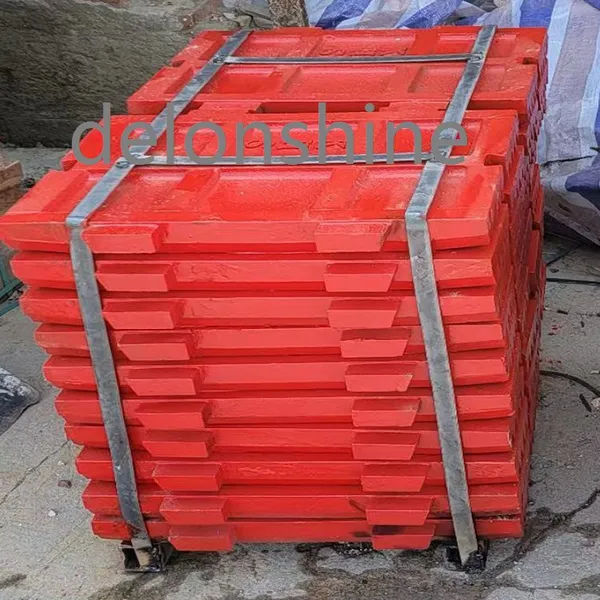 Read More
-
Serving Cone and Jaw Crusher Plants Across Our Export Regions
November 4, 2026Our crusher parts export regions now cover thirteen markets, and each one asks for something slightly different from a wear parts Read More
-
Custom Wear Plate Fabrication for Hoppers and Chutes
November 3, 2026Custom wear plate fabrication starts from a drawing of the wall the plate has to cover rather than from a catalogue of standard si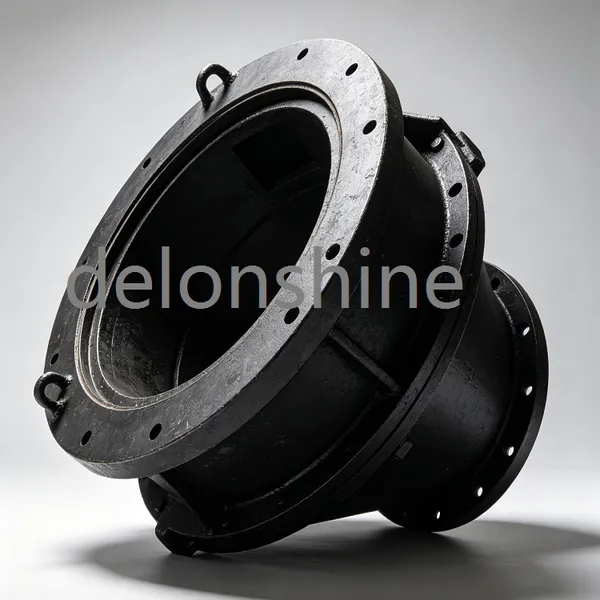 Read More
-
Machining Capability for Large Nuts, Sleeves and Hubs
November 3, 2026A foundry that casts a sleeve lock nut and cannot machine it has delivered half a part, and this article is about the other half.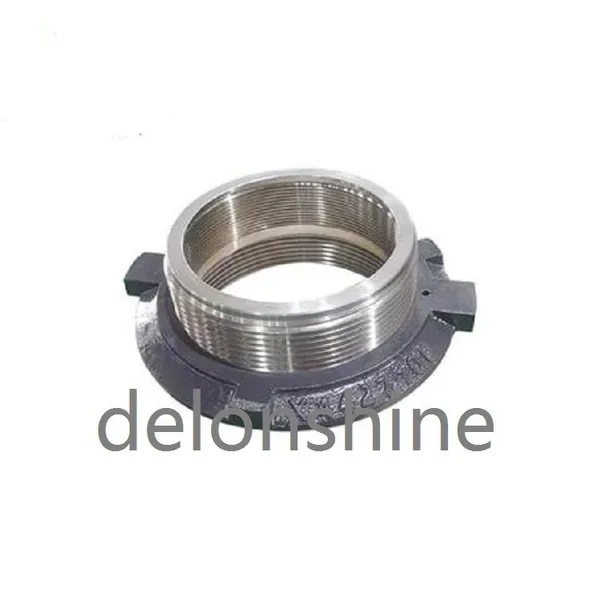 Read More

Contact Us
Recommended Products
-
 Vertical Mill Reducer Planetary Gear AssemblyNegotiableMOQ: 2 Combos
-
Heavy Duty Mining Equipment Cast HousingNegotiableMOQ: 2 Pieces
-
High Strength Cast Steel Crusher Lifting Beam Heavy Load Mining Equipment Spare PartNegotiableMOQ: 2 Pieces
-
OEM Replacement Mining Spare Parts for Stone Crushing PlantNegotiableMOQ: 2 Pieces
-
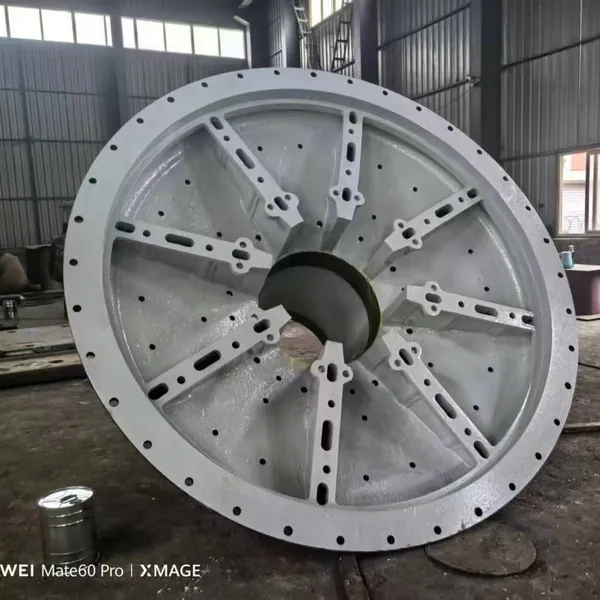
Cast Steel Ball Mill Head for Mineral ProcessingNegotiableMOQ: 2 Pieces
-
Large Diameter Cast Gear for Ore Grinding MillNegotiableMOQ: 2 Pieces
-
Wear Resistant Mining Spare PartsNegotiableMOQ: 2 Pieces
-
Industrial Wet Dry Ball Mill for Mineral ProcessingNegotiableMOQ: 2 Pieces
-
High Wear Resistant Ball Mill Wear Parts Ball Mill Gear Pinion Liner for Mining Processing PlantNegotiableMOQ: 2 Pieces
-
Customized Main Shaft for Cone CrusherNegotiableMOQ: 2 Pieces



-
Ball Mill Head With Flange and Bolt HolesNegotiableMOQ: 2 Pieces
-
Heavy Duty Equipment CasingNegotiableMOQ: 2 Pieces
-
Crusher Wear Parts for Mining MachineryNegotiableMOQ: 2 Pieces
-
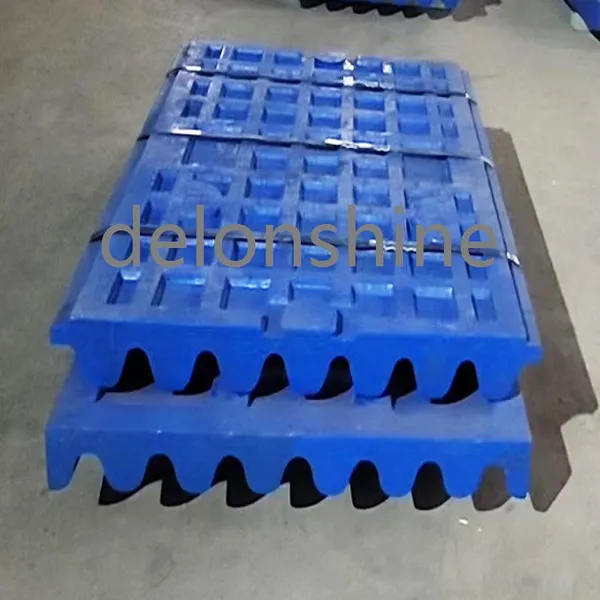
High Manganese Steel Jaw Crusher Fixed & Swing PlatesNegotiableMOQ: 2 Pieces
-
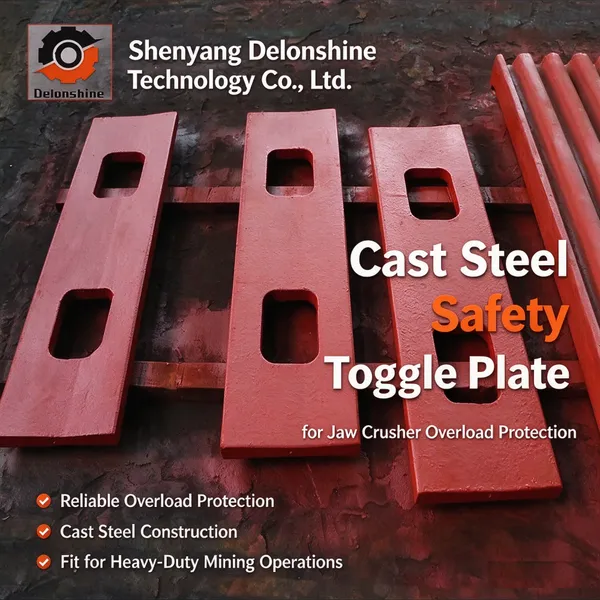
Cast Steel Safety Toggle Plate for Jaw Crusher Overload ProtectionUS$ 10 - 15MOQ: 10 Pieces


-
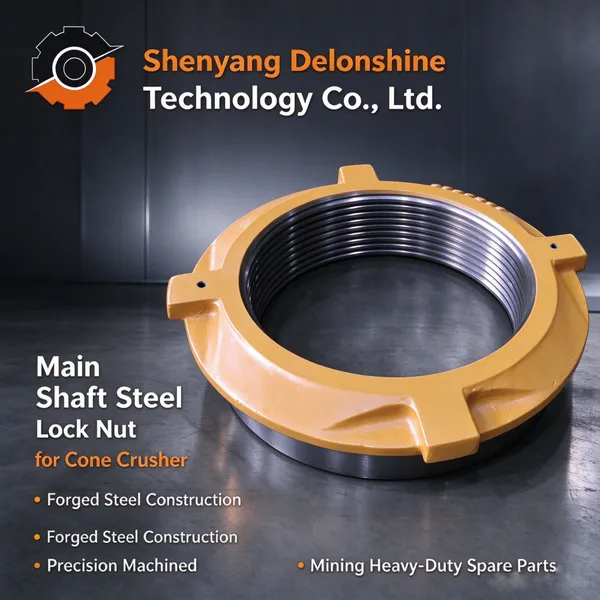
Main Shaft Steel Sleeve Lock Nut for Cone CrusherUS$ 318 - 350MOQ: 1 Piece
-
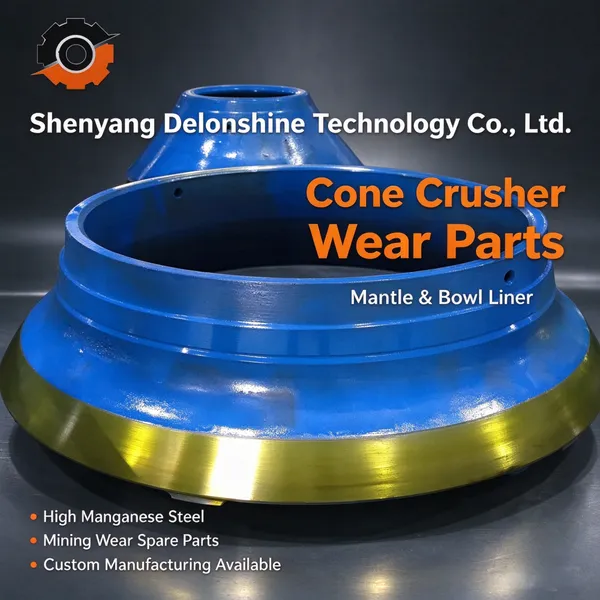
High Manganese Steel OEM Cone Crusher Bowl Liner According to DrawingsUS$ 800 - 850MOQ: 1 Piece
-
High Precision Mining Equipment End Cover Wear Resistant Crusher End CapUS$ 25000 - 26000MOQ: 1 Piece
-
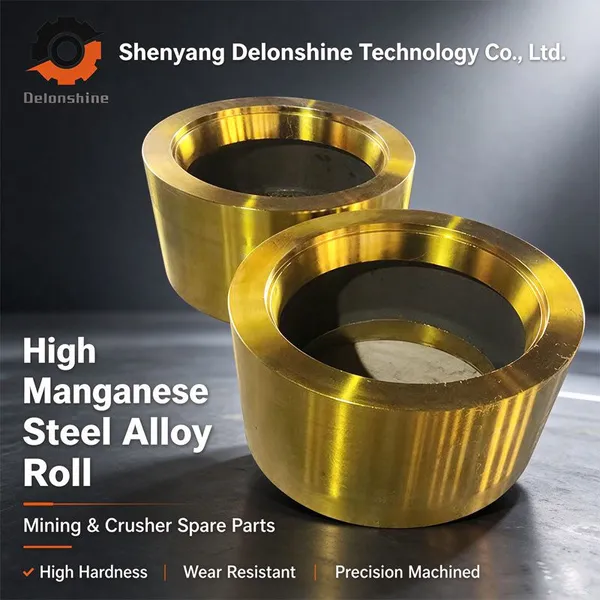
High Manganese Strong Wear and Impact Resistance Steel Alloy RollUS$ 10 - 15MOQ: 1 Piece
-
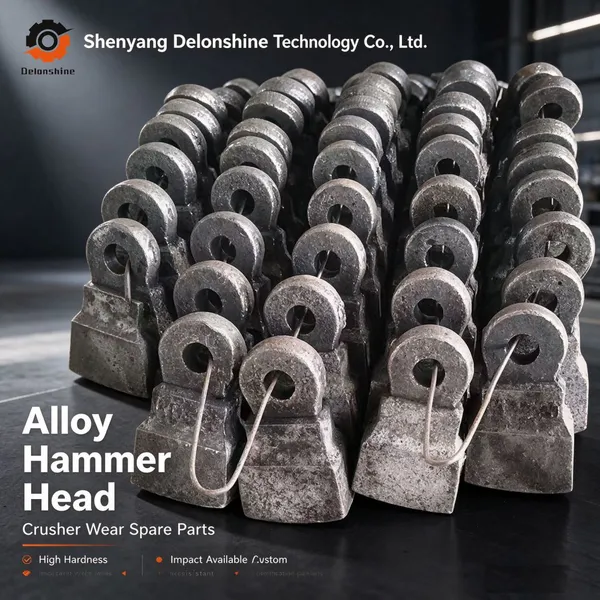
High Alloy Cast Hammer Head Great Wear & Impact ResistanceUS$ 10 - 15MOQ: 1 Piece