
 Business License

Steel Sleeve Lock Nut: The Small Part That Holds a Crusher Head Together
A steel sleeve lock nut carries one of the heaviest jobs on a cone crusher, and it does it from a position where nobody looks until something moves that should not.
At a granite plant a head nut worked loose over a season, and the symptom appeared as product grading that drifted coarse and a head that shifted under load, while every other reading on the machine stayed inside its normal band.
The part that failed was among the least costly items on the assembly, and its price had nothing to do with how much it mattered.
This article explains what a steel sleeve lock nut is, where a crusher lock nut sits on a cone crusher, what a cone crusher head nut holds under load, and how the part should be inspected before it goes back on the machine.
1. Steel Sleeve Lock Nut: The Part That Holds a Crusher Head
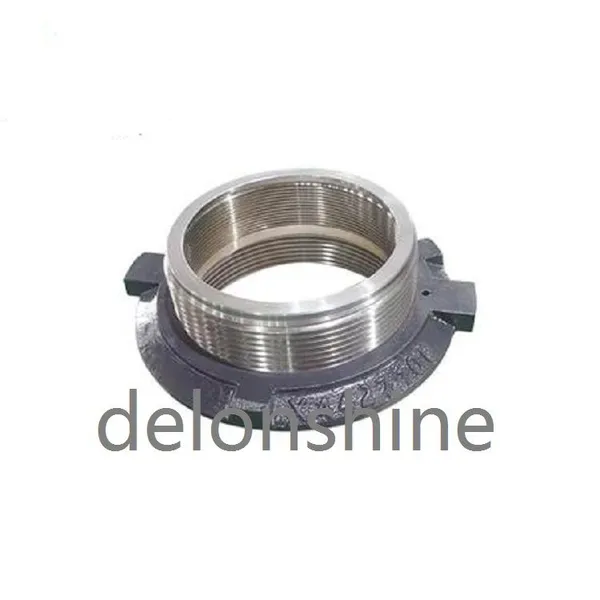
A steel sleeve lock nut is a threaded nut with an extended collar or sleeve below the hexagon, and the sleeve is what separates it from an ordinary nut.
The sleeve gives the thread a longer engagement with the shaft, so the load is spread over more turns of thread than a standard nut can provide. On a large nut the sleeve may add 60 to 100 millimetres of threaded length below the hexagon.
It also acts as a spacer, setting the axial position of the part it clamps, which is why the same design appears wherever a rotating assembly has to be held at a fixed height.
A steel sleeve lock nut is therefore two functions in one part: a fastener and a setting device.
Three design features follow from that dual role.
The sleeve length, which sets the position of the assembly and the thread engagement together.
The thread class, which has to suit the shaft it runs on rather than a catalogue.
And the material and its heat treatment, which decide whether the thread survives being tightened to a high figure and released many times.
2. Where a Crusher Lock Nut Sits on a Cone Crusher
A crusher lock nut appears in more than one place on a cone crusher, and the position decides the duty it carries.
The most visible one sits on top of the head, where it holds the mantle and the head on the main shaft.
A second type sits on the frame or the adjustment system, where it holds a setting rather than a rotating mass.
The two positions look similar and are not interchangeable, because the load, the access and the release method all differ.
The table below sets out how the three positions differ.
A sleeve nut of this type is commonly supplied between M42 and M60 on a cone crusher, with a sleeve length that sets the head height to within a millimetre.
| Position | What it holds | Main duty |
|---|---|---|
| Top of head | mantle and head on the shaft | preload against crushing force |
| Frame or adjustment | a fixed axial setting | holding a position under vibration |
| Sleeve on a shaft | a wear sleeve or a hub | transferring load into the shaft |
A plant that orders one type and fits it in the other position is not making a small error, since the thread and the sleeve length are usually different.
3. What a Cone Crusher Head Nut Actually Holds
A cone crusher head nut holds the head assembly down against the crushing force, and that force arrives as a rapid, repeated push rather than a steady load.
Every lump that enters the chamber loads the mantle, and the load tries to lift the head off its seating on each pass.
The nut has to keep the assembly closed through that cycle, which means it has to hold a preload larger than the separating force the machine produces.
Where the preload falls below that figure, the joint opens and closes a little on every stroke, and the movement is what destroys the seating surface.
Two consequences follow.
A cone crusher head nut is tightened to a high figure, often several thousand newton metres on a large machine, using a hydraulic tool rather than a manual wrench.
And it is released and refitted at every mantle change, so the thread sees many tightening cycles over its life.
The separating force on a large cone can exceed 300 tonnes at the peak of a pass, and that is the figure the preload has to beat.
4. Steel Sleeve Lock Nut versus an Ordinary Nut
A steel sleeve lock nut differs from an ordinary nut in four practical ways, and each one matters on a crusher.
The thread engagement is longer, because the sleeve adds turns of contact below the hexagon.
The load is spread over a greater thread length, so the stress on each turn is lower.
The sleeve sets a position as well as a load, which removes a separate spacer from the assembly.
And the sleeve can be made a replaceable item, so a damaged thread is renewed without replacing the whole head assembly.
The trade is that a sleeve nut needs more axial space and a longer thread on the shaft, so it cannot be substituted into a position designed for a plain nut.
Where the space exists, the sleeve version is the more durable answer, and where it does not, a plain nut has to be used.
Shenyang Delonshine Technology machines sleeve lock nuts to the shaft drawing, so the thread engagement and the sleeve length match the assembly they will be fitted to.
5. How a Crusher Lock Nut Carries Preload
A crusher lock nut carries preload rather than load, and the distinction explains most of the failures reported on this part.
Torque applied to the nut is partly converted into tension in the shaft and partly lost to friction under the head and in the thread.
The tension is what holds the assembly together, so a change in friction changes the preload even where the torque figure is unchanged.
That is why a dry thread and a lubricated thread produce a different result from the same wrench setting.
Three practices keep the preload predictable.
A specified lubricant, applied to the thread and the seating face at every assembly.
A tightening figure taken from the machine drawing rather than from a general table.
And a mark on the nut and the shaft after tightening, so movement can be seen at a glance on the next inspection.
On a large cone the tightening figure is often in the range of 3500 to 5500 newton metres, applied with a hydraulic tool and released with the same tool at the next mantle change.
6. Why a Cone Crusher Head Nut Comes Loose
A cone crusher head nut comes loose for reasons that are usually visible on the thread once the part is removed.
Galling is the most common, and it leaves torn or pick up marks where the nut has seized to the shaft and then moved.
A loss of preload follows galling, because the damaged thread no longer holds the figure that was applied.
Fatigue is the second cause, and it shows as a crack at the root of a thread or across the sleeve.
And a seating face that was not clean when the assembly was closed will allow the nut to settle later, which reads as a nut that has come loose.
Two faults that are mistaken for a loose nut belong to the assembly rather than the fastener.
A head that is not seating squarely, which works any nut loose no matter how well it was tightened.
And a mantle that has been fitted off centre, which loads the joint unevenly and opens it on one side.
Shenyang Delonshine Technology reviews a loose head nut together with the seating face and the assembly, since the fastener is often reporting a fault that sits below it.
7. Inspection and Reuse of a Steel Sleeve Lock Nut
A steel sleeve lock nut can be inspected in a few minutes, and the inspection decides whether the part goes back on the machine.
Five checks cover most of the risk.
The thread is gauged or run against a known good shaft, since a nut that drags may still fit but will not hold its figure.
The sleeve is measured for length, because a crushed or stretched sleeve has lost the position it was made to set.
The hexagon is checked for distortion, which follows from turning the nut with a hammer and a drift.
The seating face is examined for pick up, since a scored face will not seat twice.
And the material is checked against the certificate where the part is being reused after a long service.
The thread is normally gauged with a go and no go pair, and a nut that runs more than about 0.2 millimetres tighter than the reference is set aside.
A nut that passes all five checks can usually be reused once, and one that fails any of them should be replaced rather than reworked.
Where a plant has no record of the tightening figure that was applied, the nut is normally replaced at the same time as the mantle, because the cost is small against the risk of the job being repeated.
Delonshine Technology keeps the thread class on record for each sleeve nut it supplies, so a later inspection can be checked against the specification rather than judged by eye.
8. Specifying a Crusher Lock Nut for a Mill or Crusher
Specifying a crusher lock nut starts from the shaft it will run on rather than from the nut itself.
Five inputs settle the part.
The thread diameter and pitch, measured on the shaft if the drawing is missing.
The required sleeve length, which sets the position of the assembly.
The material grade and the heat treatment, which set the strength and the wear of the thread.
The tightening figure and the lubricant, since those decide the preload the joint will actually carry.
And the release method, because a nut that has to be removed with a hydraulic tool needs a different design from one turned by hand.
A drawing that names the thread, the sleeve length and the grade answers about 90 per cent of the questions a workshop will raise.
Shenyang Delonshine Technology Co Ltd supplies a crusher lock nut to the assembly drawing and records the thread class, so a replacement holds the same preload as the part it replaces.
A cone crusher head nut that matches the shaft will hold its setting for the life of a mantle set, and one that is close but not correct will not.
9. Frequently Asked Questions about the Steel Sleeve Lock Nut and Cone Crusher Head Nut
9.1 What is a steel sleeve lock nut used for?
A steel sleeve lock nut is used where a threaded fastener has to hold a rotating assembly at a set position under a heavy and repeated load. The sleeve below the hexagon extends the thread engagement, so the load is spread over more turns than a standard nut can offer. Because the sleeve also acts as a spacer, the same part holds the assembly down and sets its height on the shaft. That combination of fastener and setting device is why the design appears on cone crusher heads, mill trunnions and other rotating assemblies.
9.2 Where does a crusher lock nut sit on a cone crusher?
A crusher lock nut sits in more than one position on a cone crusher, and the duty differs at each. The most familiar one is on top of the head, where it holds the mantle and the head on the main shaft against the crushing force. Another type sits on the frame or the adjustment system, where it holds an axial setting rather than a rotating mass. The two positions look similar and are not interchangeable, because the thread and the sleeve length are usually different.
9.3 What can cause a cone crusher head nut to come loose?
A cone crusher head nut comes loose when the preload it was given is lost, and the cause is usually visible on the thread after removal. Galling leads the list, since a nut that seizes to the shaft and then moves tears the thread and can no longer hold its figure. Fatigue cracks at a thread root or across the sleeve are the second cause. A seating face that was dirty at assembly, or a head that is not seating squarely, will also release a nut that was correctly tightened.
9.4 How often should a steel sleeve lock nut be reused?
A steel sleeve lock nut is normally reused once where it passes inspection, and replaced rather than reworked where it does not. The thread is gauged, the sleeve is measured for length, and the hexagon and seating face are checked for distortion and pick up. A nut that has lost its sleeve length has lost the position it was made to set, and no amount of tightening will restore it. Where a plant has no record of the tightening figure used, replacing the nut with the mantle is the safer practice.
Recently Posted
-
Manganese Grade Selection for Cone Crusher Bowl Liners
October 13, 2026An Mn18 bowl liner and an Mn22 cone liner are the two grades that most cone crusher chambers are supplied in, and the choice between them decides how the part behaves when the chamber meets tramp metal. The manganese cone liner grade is not a quality label; it is a statement about how much manganese sits in the steel, and that figure changes the balance between hardness and toughness. This article sets out the chemistry behinRead More -
Cone Crusher Wear Parts Map: Mantle, Bowl Liner and Lock Nut
October 13, 2026A cone crusher wear parts map is a single drawing that shows where every wearing part sits inside the machine, so a plant orders against a position rather than against a description of a shape. Requests for a cone crusher wear parts map often arrive as a photograph of a worn ring on a bench, with no indication of which of the four or five similar rings in the machine it came from. A cone crusher head assembly carries the mantRead More -
Jaw Crusher Plate Wear Patterns: Reading the Crushing Chamber
October 12, 2026A jaw crusher plate wear pattern is the most direct record a plant holds of what happened inside the crushing chamber, and it is r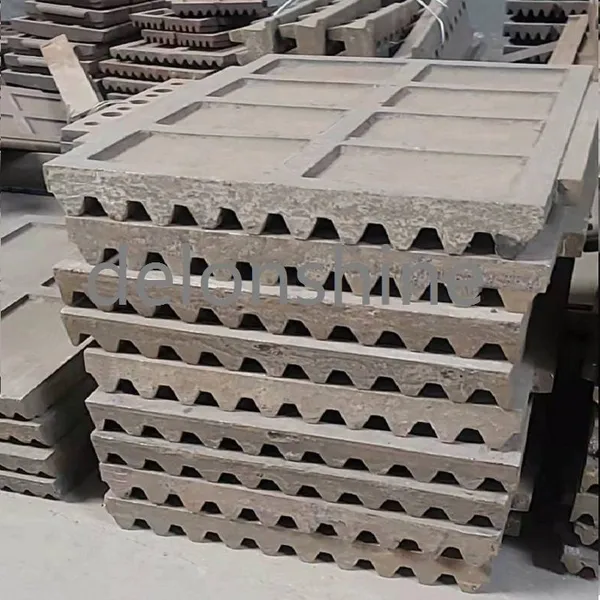 Read More
 -
Feed Hopper Liners and Wear Plates: Where the Abrasion Happens
October 12, 2026A feed hopper liner plate is bought as one item, yet it works inside a structure where several different wear mechanisms run at th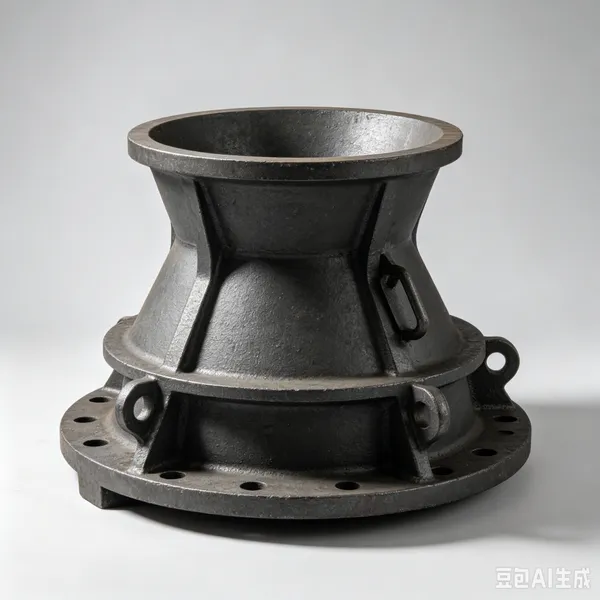 Read More

Contact Us
Recommended Products
-
 Vertical Mill Reducer Planetary Gear AssemblyNegotiableMOQ: 2 Combos
 -
High Precision Mining Equipment End Cover Wear Resistant Crusher End CapNegotiableMOQ: 2 Pieces
-
Heavy Duty Mining Equipment Cast HousingNegotiableMOQ: 2 Pieces
-
Mining Parts Concave MantleNegotiableMOQ: 2 Pieces
-
High Strength Cast Steel Crusher Lifting Beam Heavy Load Mining Equipment Spare PartNegotiableMOQ: 2 Pieces
-
OEM Replacement Mining Spare Parts for Stone Crushing PlantNegotiableMOQ: 2 Pieces
-
Cast Steel Ball Mill Head for Mineral ProcessingNegotiableMOQ: 2 Pieces
-
Large Diameter Cast Gear for Ore Grinding MillNegotiableMOQ: 2 Pieces
-
Wear Resistant Mining Spare PartsNegotiableMOQ: 2 Pieces
-
Industrial Wet Dry Ball Mill for Mineral ProcessingNegotiableMOQ: 2 Pieces


-
High Wear Resistant Ball Mill Wear Parts Ball Mill Gear Pinion Liner for Mining Processing PlantNegotiableMOQ: 2 Pieces
-
Heavy Duty Equipment CasingNegotiableMOQ: 2 Pieces
-
Customized Main Shaft for Cone CrusherNegotiableMOQ: 2 Pieces
-
Ball Mill Head With Flange and Bolt HolesNegotiableMOQ: 2 Pieces
-
Heavy Duty Equipment CasingNegotiableMOQ: 2 Pieces


-
Crusher Wear Parts for Mining MachineryNegotiableMOQ: 2 Pieces
-
High Manganese Steel Jaw Crusher Fixed & Swing PlatesNegotiableMOQ: 2 Pieces
-
Cast Steel Safety Toggle Plate for Jaw Crusher Overload ProtectionNegotiableMOQ: 2 Pieces
-
High Manganese Steel Mill LinerNegotiableMOQ: 2 Pieces
-
Main Shaft Steel Sleeve Lock Nut for Cone CrusherNegotiableMOQ: 2 Pieces