
 Business License
Blog Categories

Adjustment Ring Specification: What to Put in an Enquiry
An adjustment ring specification is the document that turns a wear part request into a comparable quotation, and most of the price spread between suppliers comes from what the buyer left out of it.
A ring quoted without a thread class, a seating diameter and a material grade cannot be measured against another quotation, because each supplier fills the gap with the least costly interpretation that will survive the warranty.
The ring carries the bowl and sets the close side by rotating on the frame thread, so its thread, its seat and its wall section all have to be defined before a foundry can price the casting.
A specification of two pages is usually enough. What matters is that the same two pages go to every supplier, so that the quotations describe the same part rather than three variations of it.
This article sets out the machine data, the thread and fit details, the material clauses and the quotation structure that make an adjustment ring enquiry comparable.
1. Why an Adjustment Ring Specification Decides the Price
Three buyers can send three enquiries for the same ring and receive prices that differ by 40 per cent, without any supplier acting in bad faith.
The first enquiry names the machine model and asks for a price. The second adds the drawing number. The third adds the thread class, the seating diameter, the material grade and the inspection regime.
The three requests describe three different parts, and the price follows the description rather than the machine.
A specification therefore does two jobs at once: it defines the part, and it removes the room in which a quotation can be trimmed by leaving a feature out.
Three figures carry most of the cost.
The finished weight, because it sets both the casting price and the freight.
The thread size and class, because thread cutting is the longest single operation on the part.
And the wall section at the seating band, because it decides how much machining allowance the foundry leaves and how much metal it has to remove.
A ring of 1,150 kilograms with a Tr 400 x 8 thread and an 80 millimetre wall is a different commercial object from a ring of 980 kilograms with a trimmed wall and a coarser thread, even when both fit the same machine.
Delonshine Technology checks the specification against the machine card before quoting, because a two line correction at that stage costs far less than a ring recut after delivery.
2. Adjustment Ring Specification: The Machine Data Sheet
The machine data sheet is the first page of the specification, and it should be copied from the machine plate rather than from memory.
Model and serial number, because the same model can carry two frame versions across its production run.
The close side range the plant actually uses, in millimetres, because a ring machined for a narrow range can be lighter than one that has to cover the full travel.
The mantle and bowl liner part numbers in use, because the ring seat has to match the liner that sits in it.
And the throughput and feed size, which tell the supplier what load the ring sees in a shift.
Three details are often missing from the data sheet and all three matter.
The direction of rotation of the bowl, since the thread hand follows it.
The presence of a hydraulic or mechanical lock, because the lock pads change the lug pattern.
And the frame version, where a manufacturer has revised the seating diameter during the production run.
A plant that sends a photograph of the machine plate together with the drawing removes most of the follow-up questions that otherwise add a week to the quotation.
3. Adjustment Ring Specification: Thread and Fit Details
The thread is the part of the specification where an omission is most expensive, because a ring with the wrong thread cannot be corrected by machining the seat.
Give the thread form, the nominal diameter, the pitch, the number of starts, the hand and the tolerance class, written as a complete designation rather than as a diameter alone.
State the thread length and whether it runs full depth or stops short of the seating face.
And give the gauging method, so that the supplier and the buyer check the same feature with the same instrument.
Three fits sit around the thread and each one needs a figure.
The seating diameter against the frame, with its tolerance band rather than a nominal size.
The locating diameter that centres the ring, measured in the fitted condition.
And the clearance at the lock pads, which is set by the pad thickness rather than by the ring.
A thread that gauges within class but sits on a seat 0.4 millimetres high will bind in service, because the ring tilts and the load moves to one side of the thread.
4. Adjustment Ring Specification: Material and Casting Clauses
The material clause should name the grade, the standard it is made to, and the test certificate that comes with the casting.
A cast carbon steel of the 270 to 480 megapascal class covers most cone crusher rings, with a low alloy grade used where the wall is thin or the duty is heavy.
State the impact requirement at the service temperature, since a ring that is tough at 20 degrees Celsius may be brittle at minus 30.
And state the non-destructive examination: magnetic particle on the machined surfaces, ultrasonic on the section behind the thread.
Three casting details are worth writing into the clause.
The wall thickness at the seating band, given as a minimum rather than as a nominal.
The machining allowance, because a foundry that leaves 3 millimetres where the drawing assumes 6 will machine through the section.
And the position of the casting marks and the heat number, so that the ring can be traced back to its ladle.
Delonshine Technology issues a mill certificate and a dimensional report with each ring, and both are referenced in the specification so that the documents arrive with the part rather than three weeks after it.
5. Adjustment Ring Quotation: What Each Line Should Cover
An adjustment ring quotation is useful when it is broken into the operations that create the cost, not when it is a single figure against a part number.
Ask for the casting, the rough machining, the thread cutting, the final machining of the seat, the inspection and the packing as separate lines.
A supplier that quotes one figure is not hiding anything, but the buyer cannot see which operation changed when the price moves between two orders.
The broken-down quotation also shows whether the thread is cut or ground, which separates a ring that holds its class for years from one that loosens within a campaign.
Three commercial terms belong in the same document.
The finished weight and the weight tolerance, since freight is charged on the actual figure.
The inspection documents included, and the ones charged as an extra.
And the packing method, because a ring of 1,150 kilograms needs a cradle rather than a pallet.
A quotation that names the thread class, the material grade and the document set can be compared line by line with another. One that names none of them can be compared on price alone, which is the comparison a buyer should avoid.
6. Adjustment Ring Quotation: Reading the Differences
When two quotations for the same specification differ by 15 per cent, the difference is usually visible in four places.
The weight, where one supplier has priced a ring with a trimmed wall.
The thread, where one has quoted a cut thread and the other a ground or rolled thread.
The inspection, where one includes ultrasonic examination and the other does not.
And the packing, where one has allowed for a sea crate and the other for a pallet.
The table below sets out those four places together with the question that exposes each one.
| Quotation line | Typical gap | Question that exposes it |
|---|---|---|
| Finished weight | 5 to 12 per cent | Is the wall held at the drawing minimum? |
| Thread cutting | 8 to 15 per cent | Is the thread cut, ground or rolled? |
| Inspection scope | 3 to 8 per cent | Which report is included and which is extra? |
| Packing | 2 to 5 per cent | Crate or pallet, and who secures the ring? |
A gap larger than 25 per cent usually means the two quotations describe different parts, and the specification should be reissued before either is accepted.
A gap below 5 per cent usually means the two suppliers are buying castings from the same foundry, which is common and not a problem in itself.
7. Cone Crusher Adjustment Ring Supplier: Three Types
A cone crusher adjustment ring supplier falls into one of three groups, and the group decides what the buyer has to check.
The original manufacturer supplies the exact part with full traceability and a price to match.
The foundry with in-house machining casts and finishes the ring, which gives control over the wall and the thread but a narrower range of machine sizes.
The trader sources from a foundry and arranges machining elsewhere, which gives range and speed but adds a handover where drawings can be misread.
Each type carries a different risk.
With the original manufacturer the risk is price and lead time.
With the foundry the risk is capacity, because a single furnace campaign can push a ring back by weeks.
With the trader the risk is the handover, because the thread class and the seating tolerance are the two figures most often lost between the drawing and the machine shop.
A buyer who knows which type is being dealt with can ask the right question. Asking a foundry about its furnace schedule and a trader about its machining partner are different questions, and neither is answered by a price list.
8. Qualifying a Cone Crusher Adjustment Ring Supplier
Qualifying a supplier takes four checks, and all four can be completed before the first order is placed.
Ask for the thread report on the last three rings of the same size, since a supplier that keeps gauging records can produce them within a day.
Ask which foundry casts the ring and whether the machining is done on the same site.
Ask for the inspection plan rather than the certificate, because the plan shows what is measured and the certificate shows what passed.
And ask for a first article report on the first ring, with the thread and seat figures recorded against the drawing.
Three answers should end the conversation.
A supplier who cannot name the thread class it will cut.
One who quotes a weight without a tolerance.
And one who treats the seating diameter as a nominal size rather than a fitted dimension.
Shenyang Delonshine Technology Co Ltd sends a first article report with the first ring of every new size, and the report carries the thread gauge reading and the seat diameter measured at four points. Delonshine Technology has found that the report shortens the second order more than any price discussion, because the buyer already knows what arrived.
9. Frequently Asked Questions about Adjustment Ring Specification
9.1 What should an adjustment ring specification contain?
An adjustment ring specification should contain the machine data, the thread designation, the seating and locating diameters with their tolerance bands, the material grade with its impact requirement, and the inspection scope. The machine data covers the model, serial number, close side range and the liner part numbers in use. The thread should be written as a complete designation with form, diameter, pitch, starts, hand and class. Adding the packing method and the document set makes the enquiry complete, and a complete enquiry is quoted faster and compared more easily.
9.2 How do I compare adjustment ring quotations?
Compare adjustment ring quotations line by line rather than on the total, starting with the finished weight and its tolerance. Ask whether the thread is cut, ground or rolled, since the three carry different prices and different service lives. Check which inspection reports are included and which are charged as an extra. A gap of 5 to 12 per cent on weight and 8 to 15 per cent on thread work is normal, while a gap above 25 per cent usually means the quotations describe different parts.
9.3 How do I choose a cone crusher adjustment ring supplier?
Choose a cone crusher adjustment ring supplier by the records it keeps rather than by the price it quotes. Ask for the thread report on the last three rings of the same size and for the name of the foundry that casts them. A supplier that machines on the same site controls the wall and the thread together, while a trader adds a handover where the thread class is easily lost. A first article report on the first ring confirms the choice.
9.4 Why do prices for the same ring differ so much?
Prices for the same ring differ because the enquiries describe different parts. One buyer names the model, another adds the drawing, and a third adds the thread class, the seat tolerance and the material certificate. The supplier then prices what is written, using the least costly interpretation that will not fail in service. Reissuing one specification to every supplier before the enquiry goes out removes most of the spread and makes the remaining differences visible on the quotation lines rather than buried in a single total figure.
Recently Posted
-
Adjustment Ring Material: Cast Steel Grades and What They Carry
November 6, 2026The adjustment ring material in a cone crusher is almost always a cast steel, and the grade decides how much load the thread can c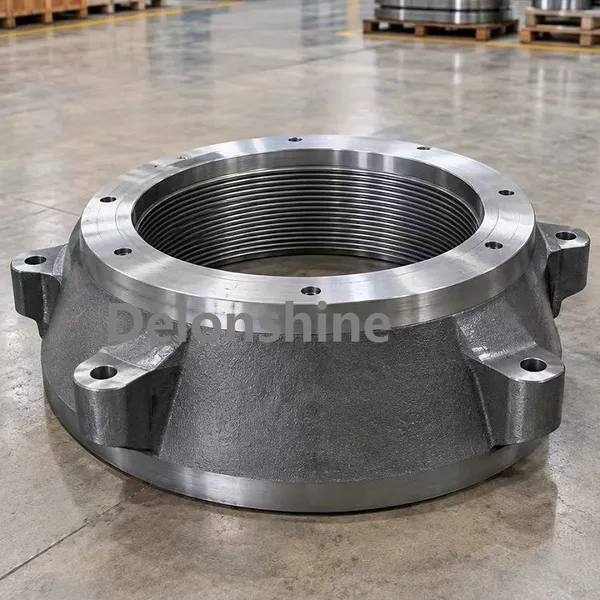 Read More
-
Adjustment Ring Function: How a Cone Crusher Sets Its Close Side
November 6, 2026The adjustment ring function in a cone crusher is to convert a rotation into a vertical movement of the bowl, and that movement is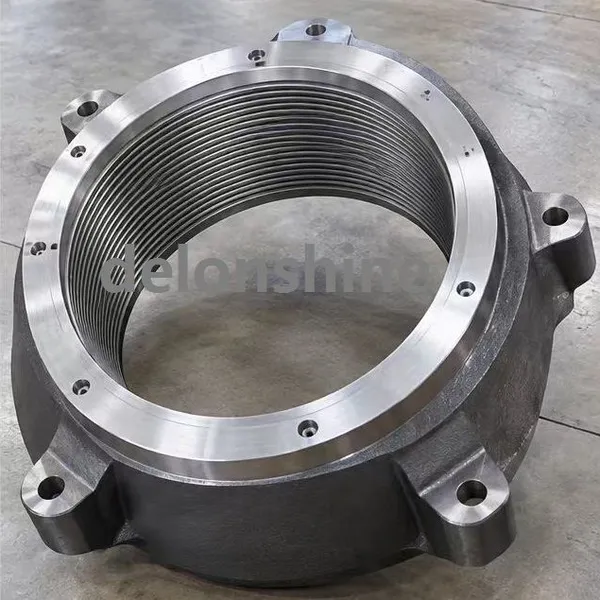 Read More
-
From Sample to Delivery: Our Workflow for Wear Parts Projects
November 4, 2026A wear parts project workflow decides whether a replacement part simply arrives or whether it arrives at the right time, in the ri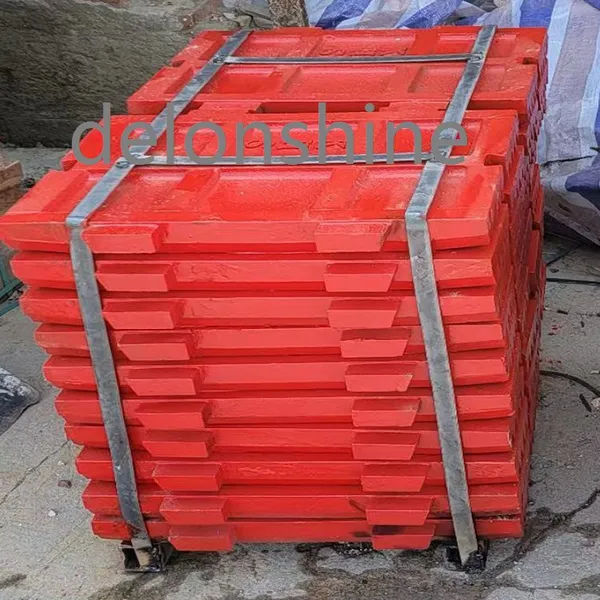 Read More
-
Serving Cone and Jaw Crusher Plants Across Our Export Regions
November 4, 2026Our crusher parts export regions now cover thirteen markets, and each one asks for something slightly different from a wear parts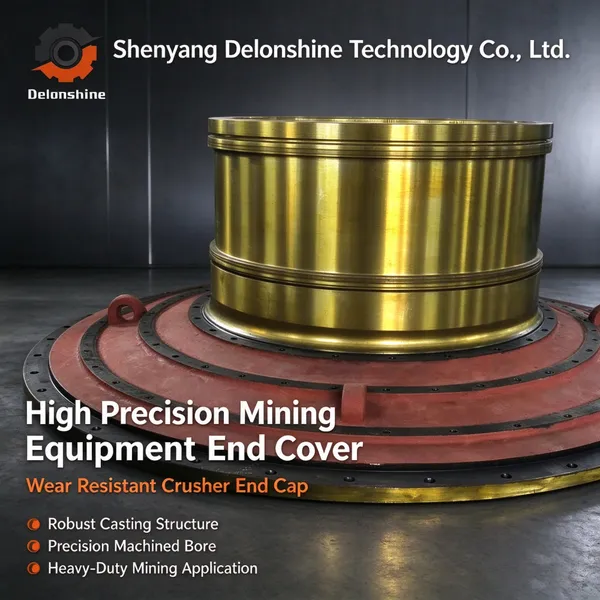 Read More

Contact Us
Recommended Products
-
 Vertical Mill Reducer Planetary Gear AssemblyNegotiableMOQ: 2 Combos
-
Heavy Duty Mining Equipment Cast HousingNegotiableMOQ: 2 Pieces
-
High Strength Cast Steel Crusher Lifting Beam Heavy Load Mining Equipment Spare PartNegotiableMOQ: 2 Pieces
-
OEM Replacement Mining Spare Parts for Stone Crushing PlantNegotiableMOQ: 2 Pieces
-
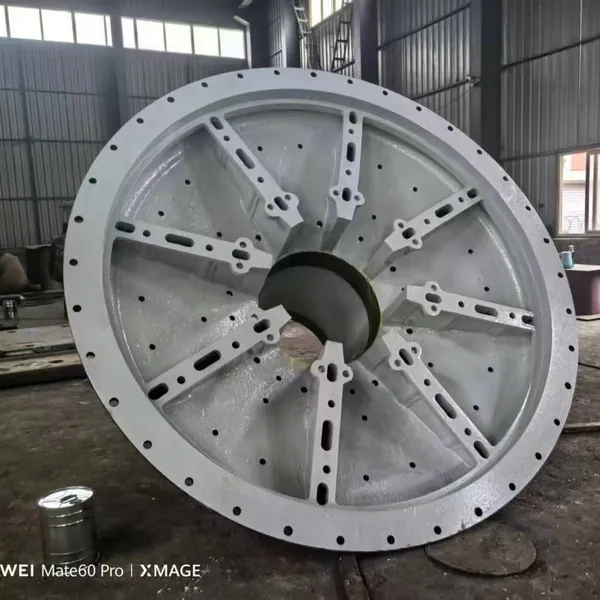
Cast Steel Ball Mill Head for Mineral ProcessingNegotiableMOQ: 2 Pieces
-
Large Diameter Cast Gear for Ore Grinding MillNegotiableMOQ: 2 Pieces
-
Wear Resistant Mining Spare PartsNegotiableMOQ: 2 Pieces
-
Industrial Wet Dry Ball Mill for Mineral ProcessingNegotiableMOQ: 2 Pieces
-
High Wear Resistant Ball Mill Wear Parts Ball Mill Gear Pinion Liner for Mining Processing PlantNegotiableMOQ: 2 Pieces
-
Customized Main Shaft for Cone CrusherNegotiableMOQ: 2 Pieces



-
Ball Mill Head With Flange and Bolt HolesNegotiableMOQ: 2 Pieces
-
Heavy Duty Equipment CasingNegotiableMOQ: 2 Pieces
-
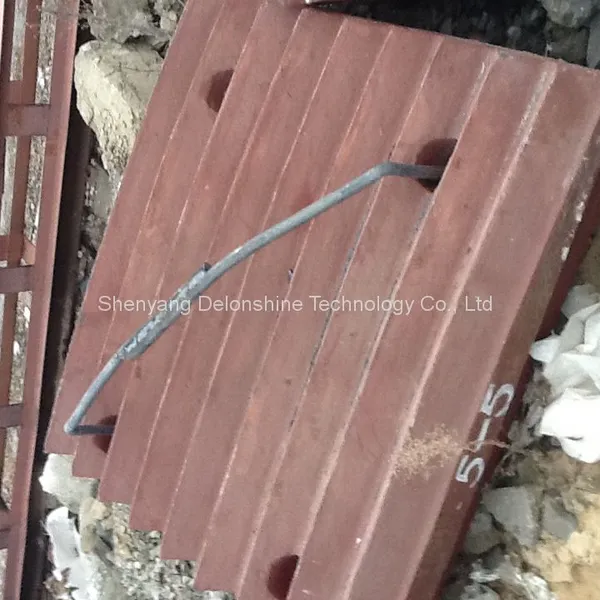
High Manganese Steel Jaw Crusher Fixed & Swing PlatesNegotiableMOQ: 2 Pieces
-
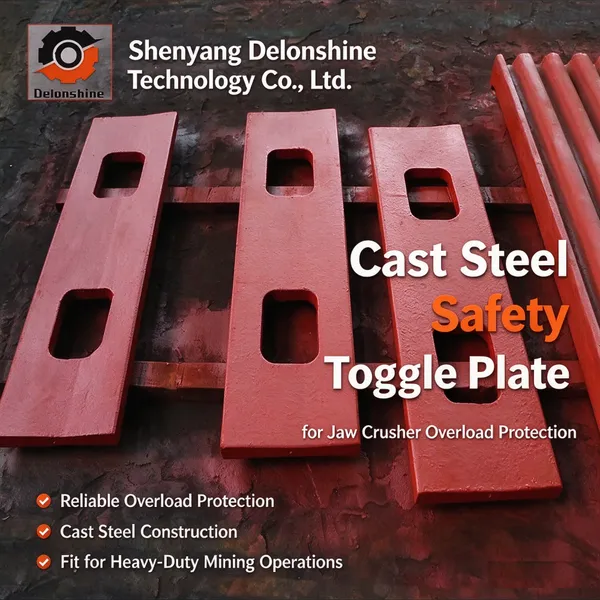
Cast Steel Safety Toggle Plate for Jaw Crusher Overload ProtectionUS$ 10 - 15MOQ: 10 Pieces
-
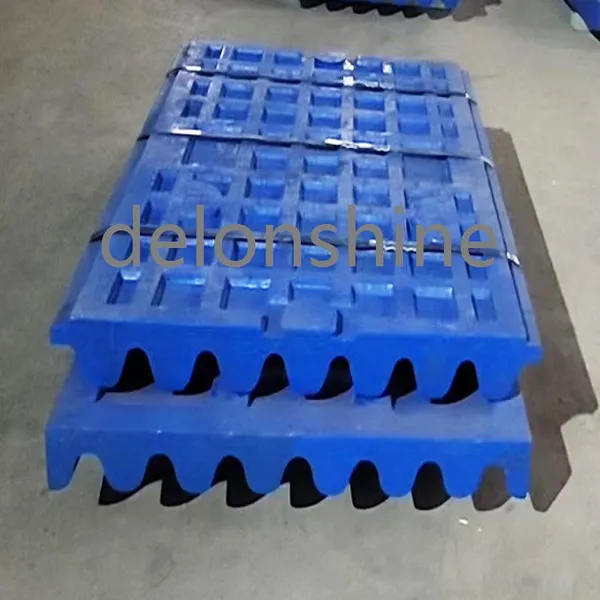
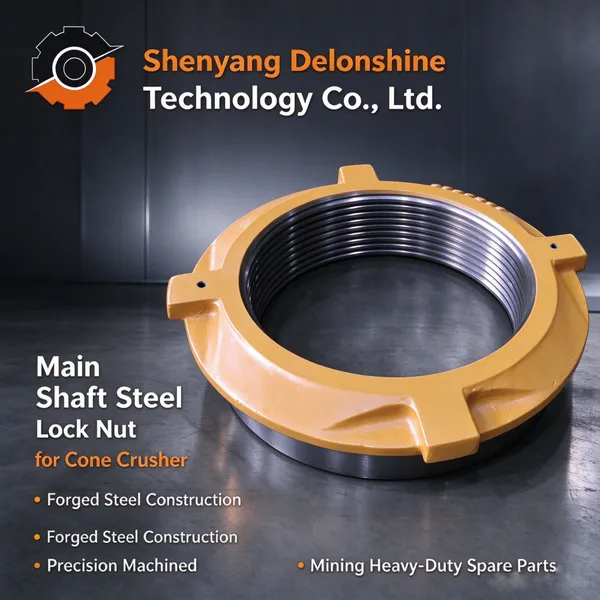
Main Shaft Steel Sleeve Lock Nut for Cone CrusherUS$ 1 - 10MOQ: 1 Piece


-
High Manganese Steel OEM Cone Crusher Bowl Liner According to DrawingsUS$ 10 - 20MOQ: 1 Piece
-
High Precision Mining Equipment End Cover Wear Resistant Crusher End CapUS$ 100 - 26000MOQ: 1 Piece
-
High Manganese Strong Wear and Impact Resistance Steel Alloy RollUS$ 10 - 15MOQ: 1 Piece
-
High Alloy Cast Hammer Head Great Wear & Impact ResistanceUS$ 10 - 15MOQ: 1 Piece
-
Manganese Steel Mining Grate PlateUS$ 10 - 15MOQ: 1 Piece