
 Business License
Blog Categories

Packing Cone Crusher Liners for Sea Freight
Cone liner packing is judged by the state of the casting at the plant gate rather than by the state of the crate when it leaves the foundry.
A container that arrived with two bowl liners loose inside had shifted several tonnes of steel across an ocean, and the seating faces of both castings were damaged past use.
The crates themselves were intact, which is why the claim was argued for months instead of settled in a week.
Bowl liner shipping is a discipline of its own, and heavy crusher parts export adds container rules and a document set on top of the physical problem.
This article covers how a cone liner is prepared, braced, loaded and documented for a long sea passage.
1. Packing Cone Crusher Liners for Sea Freight
Packing cone crusher liners for sea freight starts from the fact that the cargo weighs several tonnes and will move if it is given room to move.
A bowl liner for a large machine may weigh between two and six tonnes, and a mantle for the same machine is often heavier again.
The force available inside a container at sea is enough to drive that mass into a crate wall, so the packing has to hold the load rather than simply contain it.
That is the difference between packing that survives a passage and packing that arrives looking used.
A crate rated to the weight and braced to the container floor is the baseline rather than an upgrade.
A crate for a 5 tonne casting is commonly built from 100 by 100 millimetre timber with 12 millimetre plywood panels.
Three questions decide how a casting is packed.
How heavy is the piece, and where are its lifting points?
Does the journey include transhipment, since every extra handling adds a lift and a set down?
And will the receiving plant store the liner outdoors, which changes how much protection the wrap has to give?
A casting that is stored under cover before it is fitted needs a wrap and a desiccant pack, and little else.
A casting that will sit in a yard through a wet season needs a barrier that keeps rain off the machined faces as well as the steel.
2. Cone Liner Packing: What the Crate Has to Do
A crate used for cone liner packing has four jobs, and the weight rating is the one that usually gets written down.
It has to carry the mass of the casting through several lifts, stop the casting moving when the container rolls, keep hard objects away from the machined seating faces, and still allow the piece to be lifted out at the far end.
A crate that fails at that last point is a common complaint, because the receiving plant has no room to strip heavy packing inside a container.
Timber thickness, bracing and the position of the lifting eyes are therefore decided together rather than one at a time.
Four features appear inside a well built crate.
Timber bearers that raise the casting clear of the crate floor.
Diagonal bracing run from the casting to the crate walls rather than to the base.
A moisture barrier wrapped around the casting before the lid is fixed.
And a desiccant pack sized to the volume of the crate rather than to the weight of the steel.
3. Bowl Liner Shipping: Protecting the Seating Faces
Damage during bowl liner shipping shows up at a machined face rather than at a worn surface, because the machined faces are what the next fit depends on.
The seating face of a bowl liner carries the load into the adjusting ring, and a burr or a dent there will show as a gap when the liner is fitted.
A gap of a few tenths of a millimetre at that joint is enough to change how the liner sits and how the backing compound fills behind it.
Protecting those faces costs a little at the packing stage and cannot be corrected at the plant.
Delonshine Technology covers the machined faces of a bowl liner before the casting is crated, and it treats that covering as part of the delivery rather than as optional packing.
Three protections are standard on a machined crusher casting.
A soft covering over each machined face, fixed so that it cannot work loose in transit.
A steel strap or a timber batten standing off the face, so that a blow is taken by the packing rather than by the casting.
And a restraint arrangement that keeps the casting from bearing on its own machined face while the container moves.
4. Heavy Crusher Parts Export: Weight, Lifting and Documents
Heavy crusher parts export brings three extra problems that do not appear on a domestic delivery.
The first is the weight limit of the container, which for a standard 20 foot box is around 28 tonnes of cargo and for a 40 foot box is usually less than the volume suggests.
The second is the lifting plan, since a crate has to be riggable from the top and approachable from the side at both ends of the journey.
And the third is the document set, which has to match the packing list item by item.
Three rules keep a heavy shipment on schedule.
Crate the castings so that the heaviest piece sits on the container floor rather than on top of another crate.
Mark the weight, the lifting points and the centre of gravity on two faces of every crate.
And photograph the loaded container before the doors are closed, since that image answers most damage claims.
5. Bowl Liner Shipping and Container Loading
Bowl liner shipping usually means several castings in one container, and the loading plan decides whether they travel safely.
Two bowl liners and a mantle can reach the practical weight limit of a 20 foot container, which leaves little room for anything else.
The load has to be distributed so that the weight sits over the container floor beams rather than gathering at one end.
Strapping to the container side rails alone will not hold several tonnes of steel, and timber blocking against the floor is what takes the load.
Four points belong on a loading plan for this cargo.
The position of each crate along the length of the container.
The timber blocking between crates and against the container walls.
The strapping pattern, with the angle and the tension stated.
And the loading sequence, so that a heavy crate does not have to be moved again to fit a later one.
A 40 foot container carrying a mixed liner order is normally packed in two layers, with the lightest crates placed on top of a load bearing platform rather than resting directly on the castings below.
6. Cone Liner Packing for a Long Sea Passage
Cone liner packing for a passage of several weeks has to allow for condensation as well as for movement.
A container crossing several climate zones will see moisture condense on cold steel, and a machined face that rusts in transit becomes a fitting problem at the plant.
A vapour barrier with a desiccant inside prevents that, and it is inexpensive against the cost of a rejected casting.
Vents in a crate can let moisture escape, though a sealed barrier with desiccant usually performs better on a long route.
Three steps protect a casting over a long passage.
Clean and dry the casting before wrapping, since salt or dust held against a surface will start corrosion under the wrap.
Apply a corrosion inhibiting coating to the machined faces before the barrier goes on.
And inspect the wrap and the crate at any transhipment point, which is where most damage is introduced.
7. Heavy Crusher Parts Export: What Goes in the Crate
A heavy crusher parts export shipment usually carries more than the casting, and the small items are the ones most often mislaid.
A bowl liner set may travel with a backing compound, a set of bolts, a lock nut and the fitting instructions.
Putting those items in a sealed compartment on the crate rather than loose in the container saves a receiving plant a week.
Matching the compartment contents to the packing list is what lets the receiving team check the shipment in one pass.
Four items belong with the casting rather than in a separate box.
The bolt set matched to the liner, since the holes are drilled to the same drawing.
The lock nut and sleeve where the order includes one.
The packing list and the inspection record, in a waterproof sleeve.
And any fitting instruction the plant will need before the liner is backed.
A compartment that is screwed shut and then sealed with a numbered tag is the simple version of this idea, and it settles any later question about what was loaded.
8. Documents for Heavy Crusher Parts Export
The document set for a heavy crusher parts export is short, and an error in any one of them can hold a container at a port.
The commercial invoice and the packing list have to agree on the piece count, the weights and the description.
The packing list should carry the weight of each crate as well as the total, because a port crane needs a piece weight rather than a shipment weight.
And any certificate the buyer has asked for should travel with the goods rather than follow them.
Three details cause most of the delays at a port.
A description on the invoice that does not match the wording used in the letter of credit.
A total weight taken from the casting drawing instead of from the packed crate.
And a crate marking that does not match the packing list, which forces an unpacking at the quay and can add 3 to 5 days to the port stay.
Shenyang Delonshine Technology photographs every crate before the container is closed, and it keeps those images with the shipping file.
Delonshine Technology states the crate weight and the lifting points on the packing list, so a receiving plant can plan the unload before the shipment arrives.
Shenyang Delonshine Technology Co Ltd ships from Dalian, Tianjin, Qingdao and Shanghai, and it names the loading port on the quotation so that a buyer can plan the inland leg.
9. Frequently Asked Questions about Cone Liner Packing
9.1 What does cone liner packing have to protect?
Cone liner packing has to protect the machined seating faces first, since those faces decide whether the liner fits flat when it is installed. It also has to hold the casting against movement, because a piece of several tonnes will find any slack inside a container at sea. The wrap has to keep moisture off cold steel during a long passage, and the crate has to allow the liner to be lifted out at the destination. Protecting a worn surface matters far less than protecting a machined one.
9.2 What causes damage during bowl liner shipping?
Damage during bowl liner shipping comes from movement rather than from rough handling at the quay. A casting that is not blocked against the container floor will slide and strike whatever is next to it, and the heaviest piece in the shipment does the most damage. A second cause is condensation, which rusts a machined face over a long passage even when nothing has moved. Transhipment is the third, because every extra lift and set down gives the load another chance to shift.
9.3 What documents are needed for heavy crusher parts export?
A heavy crusher parts export normally travels with a commercial invoice, a packing list, the bill of lading and any certificate the buyer has requested. The invoice and packing list have to agree on the piece count, the description and the weights, and the packing list should state the weight of each crate rather than the shipment total alone. Where a letter of credit is involved, the description on the invoice has to follow the wording in the credit exactly, because a small variation can hold the container at the port.
9.4 Can several liners travel in one container?
Several liners can travel in one container, and it is the usual way to control freight cost, but the shipment has to stay inside the practical weight limit of the box. Two large bowl liners and a mantle can already approach the limit for a 20 foot container, so the loading plan matters as much as the packing. The heaviest crate goes on the floor, timber blocking takes the load against the walls, and the sequence is planned so that no crate has to be moved twice.
Recently Posted
-
Adjustment Ring Material: Cast Steel Grades and What They Carry
November 6, 2026The adjustment ring material in a cone crusher is almost always a cast steel, and the grade decides how much load the thread can c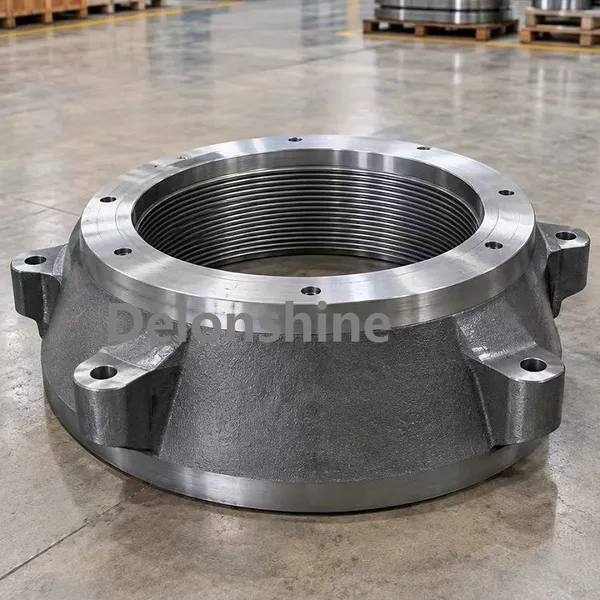 Read More
-
From Sample to Delivery: Our Workflow for Wear Parts Projects
November 4, 2026A wear parts project workflow decides whether a replacement part simply arrives or whether it arrives at the right time, in the ri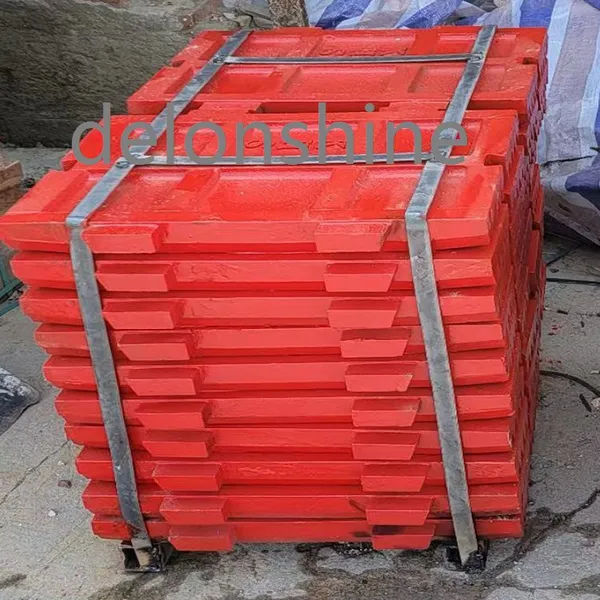 Read More
-
Serving Cone and Jaw Crusher Plants Across Our Export Regions
November 4, 2026Our crusher parts export regions now cover thirteen markets, and each one asks for something slightly different from a wear parts Read More
-
Custom Wear Plate Fabrication for Hoppers and Chutes
November 3, 2026Custom wear plate fabrication starts from a drawing of the wall the plate has to cover rather than from a catalogue of standard si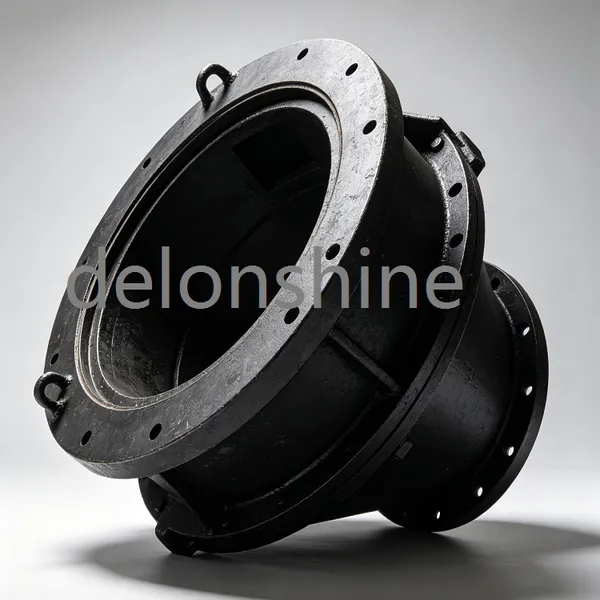 Read More

Contact Us
Recommended Products
-
 Vertical Mill Reducer Planetary Gear AssemblyNegotiableMOQ: 2 Combos
-
Heavy Duty Mining Equipment Cast HousingNegotiableMOQ: 2 Pieces
-
High Strength Cast Steel Crusher Lifting Beam Heavy Load Mining Equipment Spare PartNegotiableMOQ: 2 Pieces
-
OEM Replacement Mining Spare Parts for Stone Crushing PlantNegotiableMOQ: 2 Pieces
-
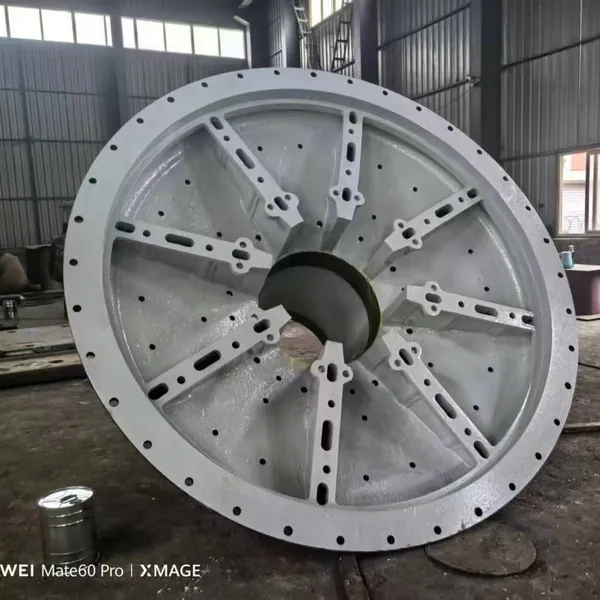
Cast Steel Ball Mill Head for Mineral ProcessingNegotiableMOQ: 2 Pieces
-
Large Diameter Cast Gear for Ore Grinding MillNegotiableMOQ: 2 Pieces
-
Wear Resistant Mining Spare PartsNegotiableMOQ: 2 Pieces
-
Industrial Wet Dry Ball Mill for Mineral ProcessingNegotiableMOQ: 2 Pieces
-
High Wear Resistant Ball Mill Wear Parts Ball Mill Gear Pinion Liner for Mining Processing PlantNegotiableMOQ: 2 Pieces
-
Customized Main Shaft for Cone CrusherNegotiableMOQ: 2 Pieces



-
Ball Mill Head With Flange and Bolt HolesNegotiableMOQ: 2 Pieces
-
Heavy Duty Equipment CasingNegotiableMOQ: 2 Pieces
-
High Manganese Steel Jaw Crusher Fixed & Swing PlatesNegotiableMOQ: 2 Pieces
-
Cast Steel Safety Toggle Plate for Jaw Crusher Overload ProtectionUS$ 10 - 15MOQ: 10 Pieces
-
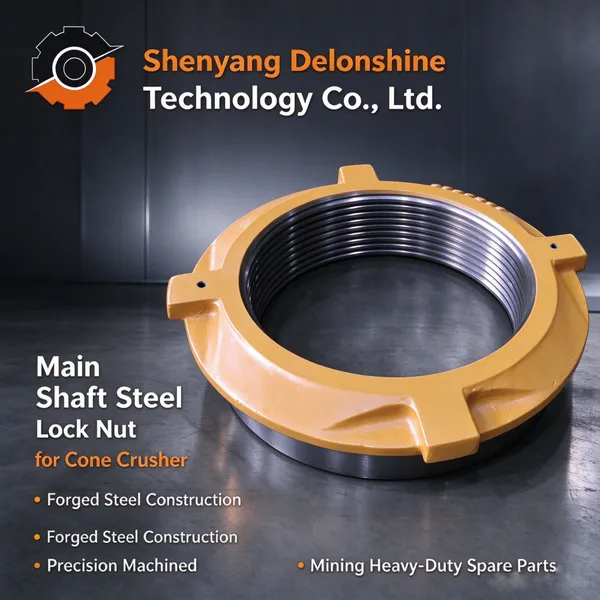
Main Shaft Steel Sleeve Lock Nut for Cone CrusherUS$ 1 - 10MOQ: 1 Piece


-
High Manganese Steel OEM Cone Crusher Bowl Liner According to DrawingsUS$ 10 - 20MOQ: 1 Piece
-
High Precision Mining Equipment End Cover Wear Resistant Crusher End CapUS$ 100 - 26000MOQ: 1 Piece
-
High Manganese Strong Wear and Impact Resistance Steel Alloy RollUS$ 10 - 15MOQ: 1 Piece
-
High Alloy Cast Hammer Head Great Wear & Impact ResistanceUS$ 10 - 15MOQ: 1 Piece
-
Manganese Steel Mining Grate PlateUS$ 10 - 15MOQ: 1 Piece